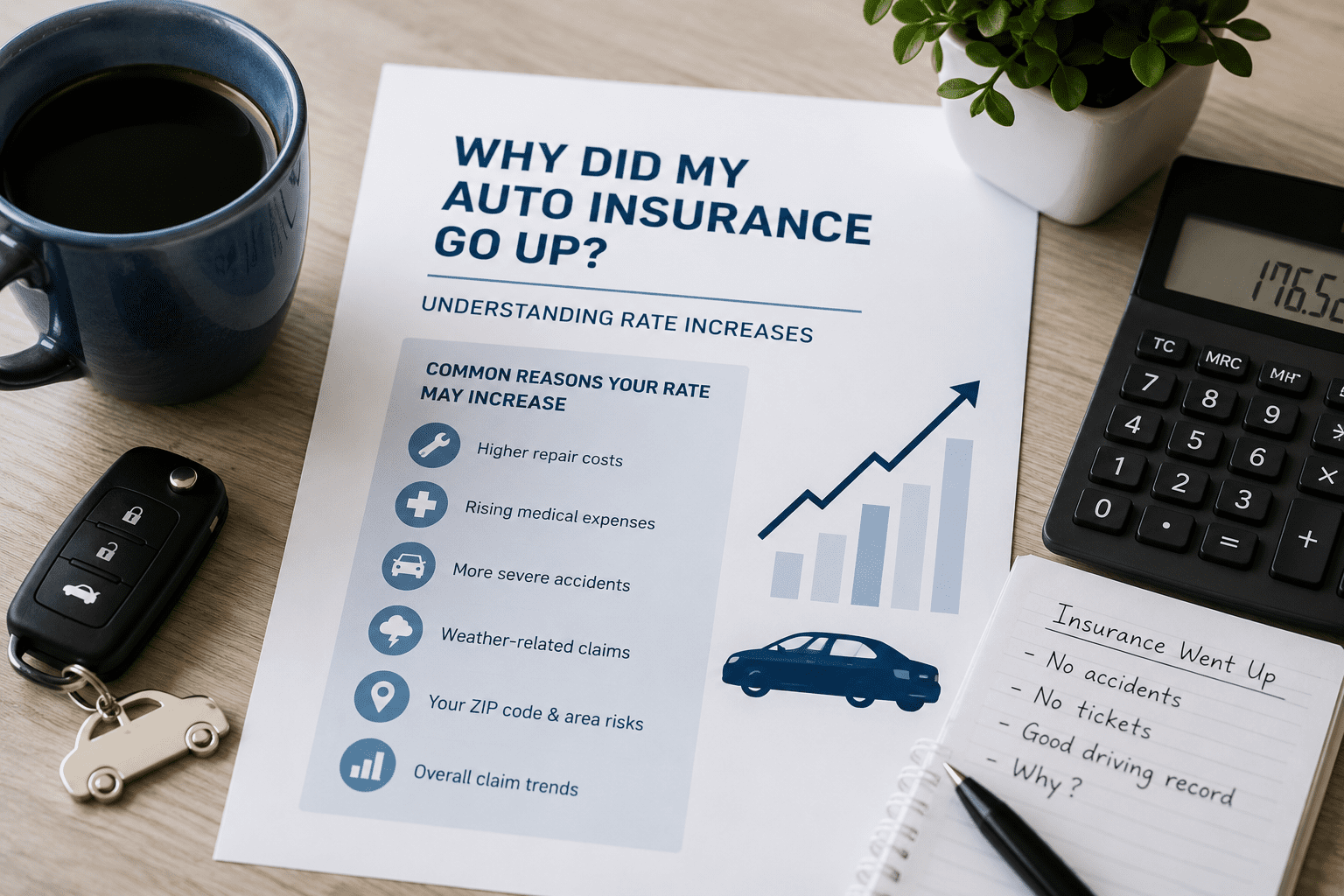
When you receive your auto insurance renewal notice and see a higher premium, it can be perplexing, especially if you haven’t been involved in any accidents. Understanding the factors that influence your insurance rates can help demystify these changes and provide clarity on why your premiums may rise despite a clean driving record.
Factors Influencing Auto Insurance Premiums
Market Trends and Inflation
Insurance companies regularly assess the market to ensure they remain competitive and financially stable. Economic factors, such as inflation, can lead to increased costs for vehicle repairs and medical expenses, which in turn can affect your premium. If the cost of claims rises across the board, insurers may adjust their rates to cover these additional expenses.
Changes in Risk Assessment
Insurance companies use complex algorithms to assess risk, and these models are constantly updated with new data. If there is an increase in accidents or claims in your area, even if you haven’t been directly involved, your perceived risk may rise, leading to higher premiums. This is because insurers often adjust rates based on regional statistics and trends.
Policy Adjustments and Coverage Changes
Sometimes, changes to your policy itself can result in higher premiums. This could include adjustments to coverage limits, deductibles, or the addition of new features or endorsements. Reviewing your policy details can help you understand if any changes have been made that might affect your premium.
Credit Score Impact
In many states, insurers use credit scores as a factor in determining premiums. If your credit score has changed since your last renewal, it could impact your insurance rates. Maintaining a good credit score can help keep your premiums more stable.
Vehicle-Related Factors
The make and model of your vehicle, its age, and even its safety features can influence your insurance costs. If your vehicle is more expensive to repair or has a higher theft rate, your premium may increase. Additionally, if you’ve added any modifications or upgrades to your vehicle, it could affect your insurance rates.
What You Can Do
While some factors influencing your premium are beyond your control, there are steps you can take to potentially lower your rates:
-
Review Your Policy: Regularly review your policy with your insurance agent to ensure you have the right coverage for your needs.
-
Ask About Discounts: Inquire about any available discounts, such as for safe driving, bundling policies, or installing safety devices in your vehicle.
If you have questions about your auto insurance premiums or want to explore ways to manage your costs, feel free to reach out to our agency. We’re here to help you understand your policy and find the best solutions for your insurance needs.